No matter where you travel, there’s always a chance something will go wrong. Someone might steal your wallet, a scammer might trick you into handing over your luggage, or an unexpected illness could disrupt your plans. Even a dream holiday can become stressful when you’re dealing with problems you didn’t prepare for.
But look at it another way. You can reduce the chances of running into trouble as long as you do a little bit of homework beforehand.
And this guide is here to help you with that. You’ll learn what travel risks to consider before booking your tickets, plus how to check official safety advisories, pick your insurance, and handle health precautions.
Common Travel Risks to Know Before You Go
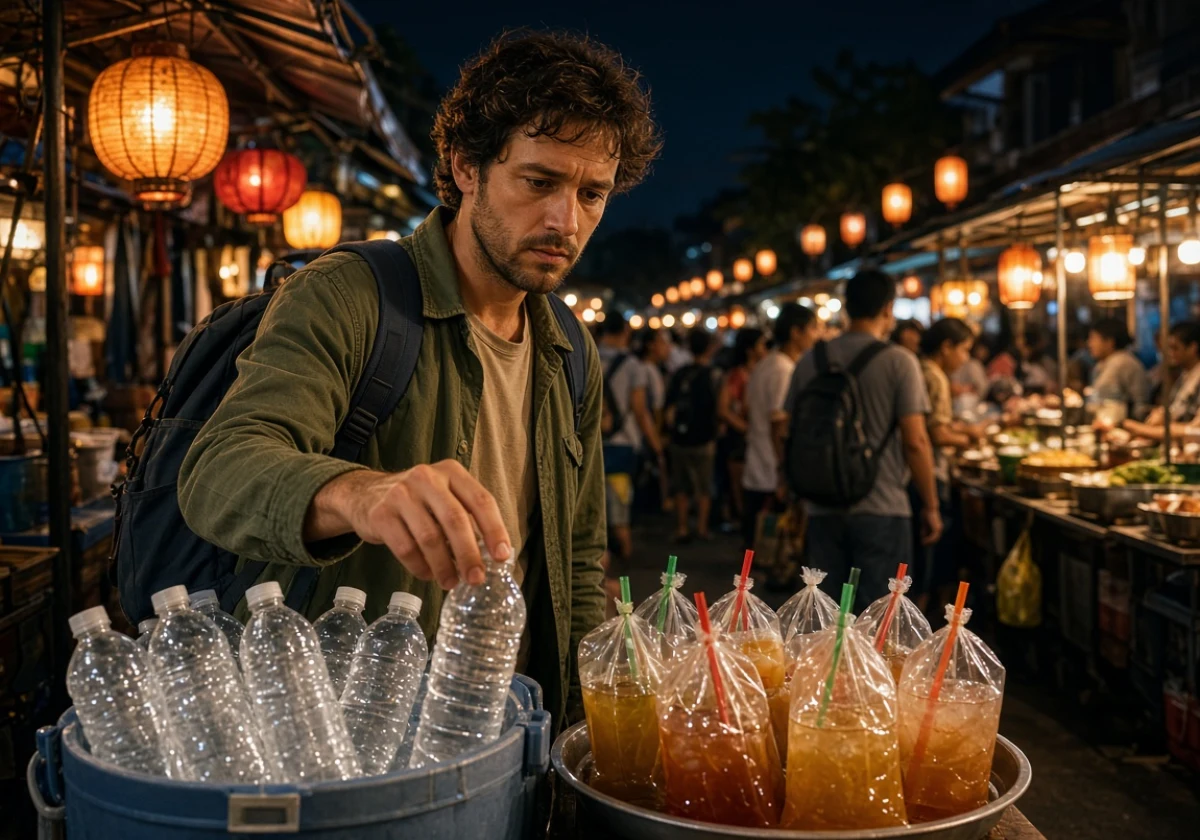
Travelling somewhere new means dealing with things you might not encounter at home. You know where to find your local doctor or pharmacy, but would you know where to go if you fell ill in Barcelona? Health is just one of several risks to think about before you travel, along with personal safety, local laws, and getting around.
Health Risks Across Different Destinations
Your health checklist will look different depending on where you’re travelling. Take Singapore, for example. Its tap water is safe to drink, and you can explore local hawker centres without worrying about the same water-related risks you might face elsewhere.
But travel to Indonesia, and the advice changes. Tap water generally isn’t considered safe to drink, and contaminated food or water can leave you with travellers’ diarrhoea, commonly known as Bali belly.
So before you lock in your bookings, check the official health advice for your destination. Smartraveller is a good place to start, with information about health risks, local conditions, and precautions for Australian travellers.
You’ll also want to check whether you need any vaccinations or preventative medication. Depending on where you’re going and what you’ll be doing, your doctor might recommend a typhoid vaccine or malaria prevention medication. Some vaccines need several weeks to take effect, so arrange a consultation well before departure rather than leaving it until the last minute.
Personal Safety Risks and Local Laws
Getting pickpocketed or scammed can happen in your hometown, but being somewhere unfamiliar can make these situations harder to spot. A crowded night market or packed train gives pickpockets plenty of opportunities. At the same time, you might run into scammers trying to hand you an “unofficial” tour ticket or overcharge you for taxi rides.
The good news is that standard city smarts will protect you from most of this. Just keep your phone out of your back pocket and stick to official rideshare apps instead of random street cabs. It’s also wise to keep a backup payment method and a copy of your passport separate from your main wallet, in case either goes missing.
Beyond petty crime, you also have to watch out for quirky local laws. For example, Japan restricts certain ADHD medications available in Australia, with some requiring prior permission and others prohibited. Research the rules for your specific medication before travelling.
Some places also restrict photography near train stations, bridges, and government buildings. So before you travel, check your destination’s local laws to avoid an unexpected fine or worse.
Civil Unrest and Other Local Hazards
A lot can happen between the day you book your flights and the day you actually land. A sudden political protest can flare up in a capital city, or an unexpected tropical storm can roll through and disrupt travel across an island, leaving roads closed and flights delayed.
To avoid getting caught off guard, review official travel advice before booking and again before departure. It’s also smart to keep tabs on local news and weather updates while you’re there. If a hazard or protest does develop nearby, follow the instructions of local authorities and steer clear of the affected area.
How to Check Official Travel Advice Before You Go
So you know what risks to look out for, but how do you find out which ones affect your destination? The best place to start is your government’s official travel advice. For Australians, that would be Smartraveller. Its destination pages explain the risks you need to know about and assign each country an overall travel advice level.
This table breaks down what each level means for your trip.
| Level | Official advice | What it means for your trip |
|---|---|---|
| 1 | Exercise normal safety precautions | Take sensible precautions and stay informed about local conditions. |
| 2 | Exercise a high degree of caution | Research the risks carefully and take extra precautions while travelling. |
| 3 | Reconsider your need to travel | Think carefully before booking, and check whether your insurance covers the risks. |
| 4 | Do not travel | Avoid travelling to the destination, as the risks are considered too high. |
Each destination has an overall travel advice level, but that number doesn’t tell you everything you need to know. A country might be generally safe to visit while certain regions face serious risks. Read the detailed advice to find out which areas to avoid, what precautions to take, and whether any risks could affect your plans.
It’s also worth checking your travel insurance before booking. Some policies restrict cover for destinations with higher advice levels, and exclusions vary between insurers. If the advice changes after you’ve booked, contact your insurer to find out how that affects your cover.
And check Smartraveller again before departure and keep an eye on updates during your trip. Conditions can change quickly, so the advice you read when booking might not reflect the situation when you arrive.
Overseas Travel Planning Starts with Insurance
Once you’ve pinned down the specific risks at your destination, it’s time to tackle the practical side of travel prep. It’s tempting to scroll to the bottom of an insurance comparison site and buy the cheapest policy. But a low premium doesn’t tell you how much protection you’ll actually get.
When reading the fine print, pay attention to these four areas:
- Overseas Medical Expense Limits: Hospital bills overseas, especially in countries like the US, can run into thousands of dollars or more. Check the maximum cover for emergency hospital treatment and medical evacuation to make sure your policy can handle these costs.
- Pre-Existing Medical Conditions: Tell your insurer about any existing health conditions before buying your policy. Some conditions require additional cover, while others are excluded, so check the policy terms to find out exactly what’s covered.
- Cancellation and Travel Disruption: Policies differ in what they cover when flights are delayed, connections are missed, or a trip is cancelled. To avoid unexpected costs, pay attention to the circumstances that qualify for a claim and the exclusions that could leave you footing the bill.
- Excess and Activity Exclusions: Find out how much cash you have to fork out yourself before the insurance kicks in. Also, keep in mind that popular holiday activities like riding a scooter or scuba diving almost always require an extra cover add-on.
For a closer look at policy fine print and how to compare your options, read our guide on how to choose travel insurance.

Plan Your Next Trip with Confidence
Knowing the risks is a good start. Now, put that knowledge to use by preparing for the unexpected and making sure your travel plans cover the essentials.
Monkey House Music offers domestic and international travel insurance options for Australians. Contact our team to discuss your travel plans and find out which policy suits your needs.
