International travel takes more planning than booking flights. Your documents, travel insurance, money and safety plans decide how smoothly the trip goes. A cheap fare counts for nothing if your passport fails the rules at the gate.
Most of us leave this admin until the final week before an international flight. At Monkey House Music, we’d rather you clear it early. That way, you can spend your attention on the destination instead of the paperwork.
Start with your passport and visa, since they control whether you board. Then sort your cover, travel money and phone before running a few final travel safety checks.
Paperwork First: The Documents That Decide Whether You Board
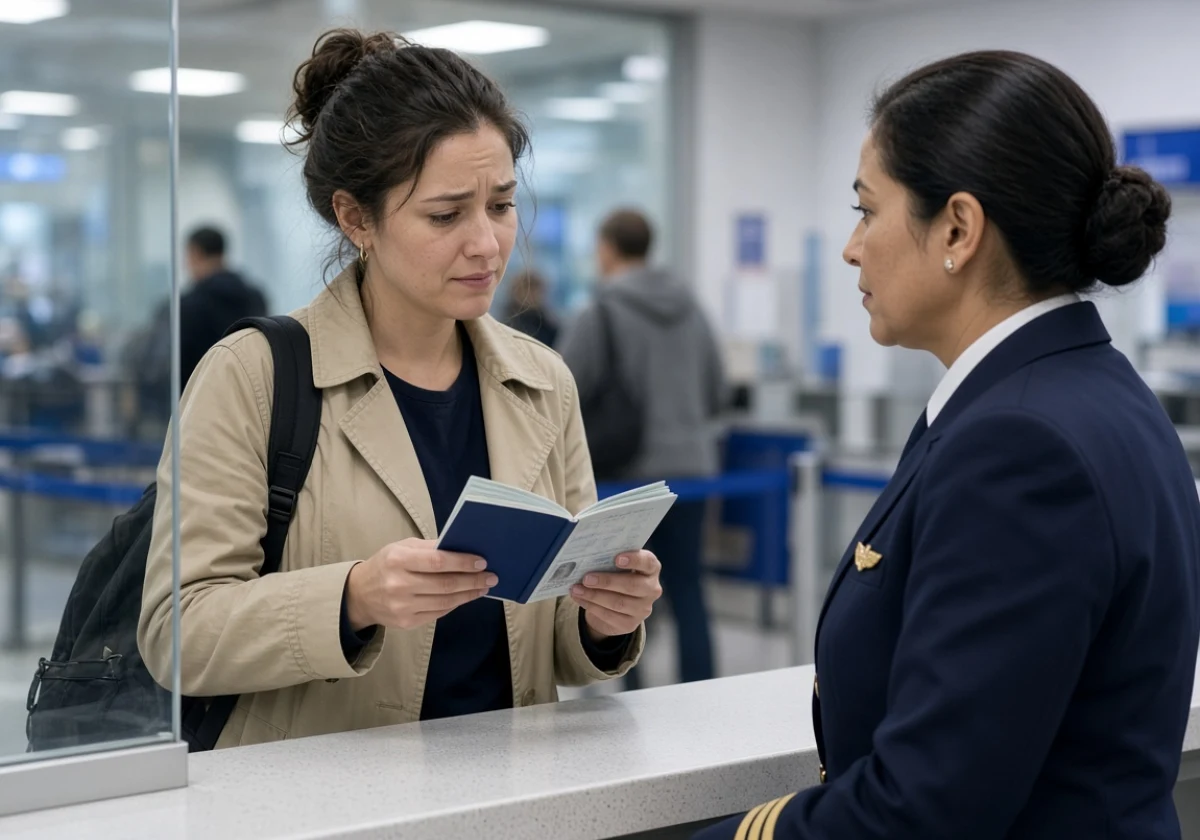
One expired passport or missing visa can end your overseas trip at the check-in desk before it starts. Plenty of Australians face that risk each year. The Australian Bureau of Statistics overseas travel figures recorded 12,711,650 resident returns in 2025–26. That’s about 450,580 more than in 2024–25, a rise of 3.7%.
Two checks sit behind most boarding problems, and both involve your most important documents. Work through them now.
1. Check Your Passport Meets the Six Months Rule
Many countries require at least six months of passport validity from the day you arrive. Airlines and border officers enforce that rule, even if your flights and hotel are already paid for. Check the expiry date as soon as you start planning. The rule applies to your first international trip and your fifteenth alike.
Damage counts as much as the expiry date. Torn covers, water damage and stained pages can get your passport refused at the border (a washing machine ruins more passports than you’d think). If yours is damaged, apply for a replacement rather than hoping it passes.
Renew early, because standard processing takes time. The Australian Passport Office suggests allowing at least six weeks before you travel. Priority processing in the final fortnight costs extra and still leaves you waiting on someone else’s timeline.
2. Do You Meet the Visa Requirements for Your Destination?
Your answer depends on your passport, your destination and how long you plan to stay. Travel visas come in a few forms. Some countries want one before departure, while others stamp you on arrival or ask for an online travel authority.
The rules can change at short notice, so check Smartraveller and the official government site for your destination. A forum post won’t give you current requirements. The United States, for instance, asks Australian visitors to get an approved ESTA before they board.
Once you know the answer, keep your travel documents together, with photos saved offline and a printed copy in your bag. Make sure the name on your booking matches your passport, since mismatched spelling causes delays at the desk.
Why Is a Travel Insurance Policy Worth Sorting Before Your Trip?
With your paperwork settled, turn to the costs you can’t predict. Medicare doesn’t cover treatment overseas, apart from limited care in countries with a reciprocal health care agreement. That means a hospital stay abroad usually lands on your own card. A travel insurance policy covers those medical bills, plus cancellations and lost luggage.
Buy the policy when you book rather than the week you fly, since cancellation cover starts from the purchase date. If you break an ankle a fortnight out, that date determines who pays for the cancelled flights.
Then read the exclusions before the price convinces you. Insurers often list high-risk activities, pre-existing medical conditions and unattended bags as separate exclusions (the moped clause catches plenty of people in Bali). A cruise or a ski week usually needs its own add-on.
Of all the tips for travelling we share, this is the one we’d never skip. Smartraveller warns that overseas medical and evacuation bills can reach tens of thousands of dollars. A policy that suits the way you travel abroad gives you a number to ring at 2am. That support is worth far more than a small saving on the premium.

Getting Your Money and Phone Ready for Overseas Trips
Next, sort your travel money and SIM card. Doing both early means lower fees and less chance of a frozen card when you land. You know the feeling when a card gets declined with a queue building behind you.
These three steps keep your cards and phone working from the moment you arrive.
- Notify Your Bank First: Tell your bank your travel dates and destinations so its fraud system expects overseas spending. Some Australian banks no longer ask for notice, so check your banking app for a travel setting. It only takes a couple of minutes online.
- Carry Two Payment Options: Split your money between a travel credit card and a separate travel money card. If one gets blocked or skimmed, the other keeps you covered. Many credit cards add a foreign transaction fee, so compare them and keep each card in a different bag.
- Set Up Your Phone Plan Early: Compare an eSIM against international roaming for the countries you’re visiting. Roaming is simpler, while an eSIM usually costs less on data-heavy international trips. Check that your phone is unlocked and supports eSIM before you buy one.
If you clear all of this a week out, you’ll have access to your money from day one. The fees you avoid will stay in your travel budget and pay for a decent meal at the other end.
International Travel Tips to Check Before You Reach Your Destination
With your documents, cover and money ready, a few last checks round out your travel preparation. Packing tips get most of the attention. Still, these small checks are the ones people forget in the rush to the airport (the phone charger is usually the first casualty).
Each check in the table below lines up with the problem it prevents.
| Final check | The problem it prevents |
|---|---|
| Smartraveller travel advisories | Missing new entry rules or safety warnings for your destination |
| Offline Google Maps | Getting lost when your data drops out |
| International Driving Permit | Being refused a hire car or voiding your cover when you drive |
| Packing list review | Rebuying medication or travel gear overseas |
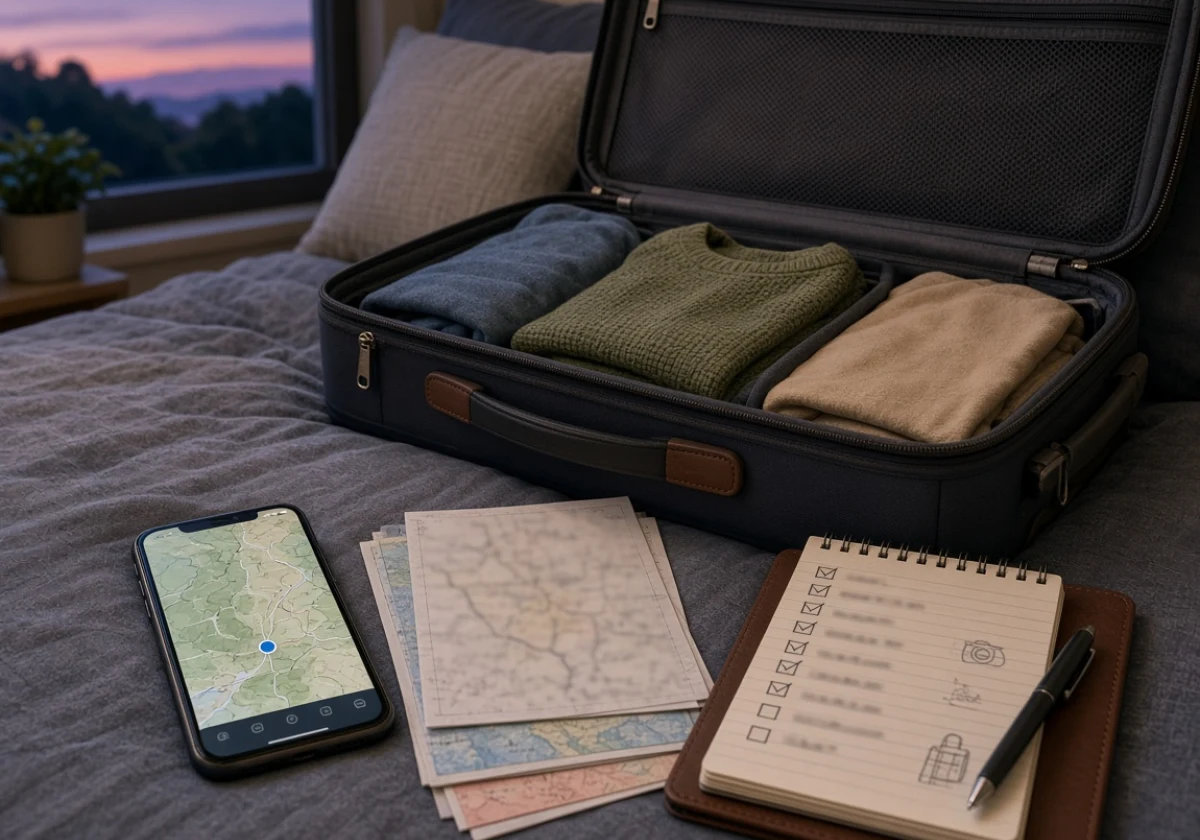
Run your overseas travel checklist a few days before you fly, then do a quick final pass the night before. By the time you reach the gate, it’s too late to fix a missing permit. Staying safe overseas relies on small habits rather than dramatic precautions. That’s especially true on long-haul travel days, when jet lag leaves you tired and more likely to miss something.
Build Your International Travel Checklist Before You Fly
Good travel preparation starts with the paperwork, the cover and the card settings. Those three things can stop a trip cold if you leave them too late.
Check your passport expiry today, since a renewal can take weeks. Then work through this checklist for international travel, from the visa and policy to the phone plan. Most of these steps take minutes, and clearing them early means fewer surprises on your trip abroad.
Have a question before your next trip? Get in touch with the Monkey House Music team for more travel tips for first-time flyers and seasoned regulars alike.
