Travel insurance often has limits on how much it will pay for each camera item. These limits can be much lower than your equipment’s value. For example, your camera body and two quality lenses may be worth more than the policy’s item limit. If they’re lost or stolen, the insurer pays only up to that limit, even with receipts.
That shortfall tends to surface at the worst moment, after a bag disappears in Bali or a lens hits the cobblestones in Prague. At Monkey House Music, we’d much prefer you find those limits in your policy while you’re still at home.
This guide covers how standard policies value your gear, how three types of cover compare, and the exclusions that sink photographers’ claims. You’ll also see how to protect expensive kit without paying for cover you don’t need.
Read on before you pack.
Standard Travel Insurance Treats Your Camera Gear as Ordinary Luggage
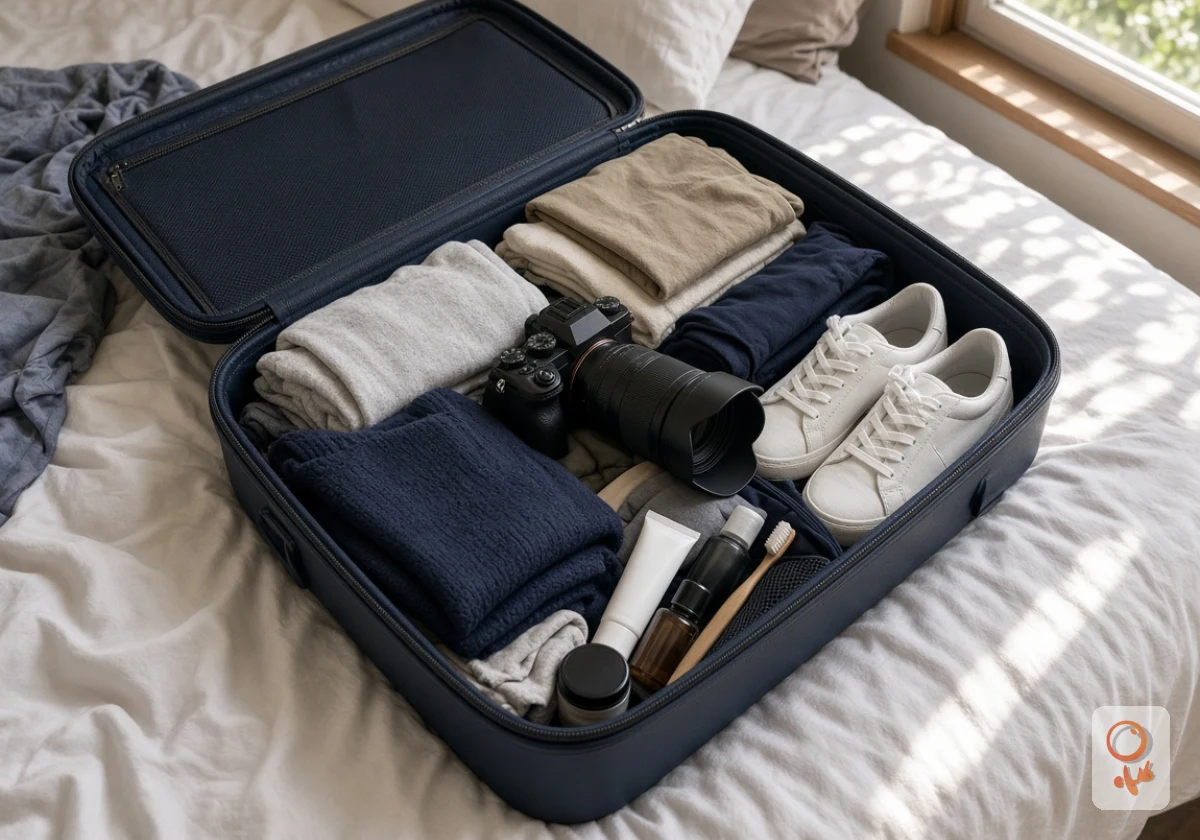
Standard travel insurance usually covers your camera under the same luggage policy as your clothes, toiletries and other belongings. However, the policy may set a total limit for all luggage and a lower payout limit for individual items. The CHOICE guide to luggage cover limits notes that “Sub-item limits often apply to items such as prescribed medications, cameras and other electronic equipment.”
These individual limits can leave expensive camera equipment underinsured. For instance, a mirrorless camera worth several thousand dollars may only qualify for the single-item payout listed in the Product Disclosure Statement (PDS). Some insurers also count a camera and its attached lens as one item, so both share the same payout limit. Check the PDS for clauses covering pairs or sets, along with the table of benefits near the front.
Even if your equipment falls within these limits, depreciation can reduce your payout further. Many insurers calculate claims using an item’s current market value rather than its original purchase price. This means an older lens may be worth much less under the policy than you paid for it.
Before booking your trip, read our guide on what your travel insurance actually includes and compare each item’s value with the relevant payout limit. This will help you see how much of your camera equipment is protected and identify any gaps that need extra cover.
Travel Insurance Valuables Limits: How Three Types of Cover Compare
Your camera can sit under three different kinds of insurance cover, and each one handles a high-value item in its own way. Which one suits you depends on what the kit is worth and how often it travels with you. Let’s compare the three options side by side.
| Type of cover | How it treats camera gear | What it means for you |
|---|---|---|
| Standard travel insurance | Counts gear as luggage with a per-item sub-limit | Works for a phone or compact camera, but leaves a professional photographer’s bodies and lenses underinsured |
| Specified items on a travel policy | Lists named items at an agreed value for an extra premium | Keep receipts and serial numbers, because the insurer wants proof before paying the listed value |
| Portable valuables on contents insurance, or separate camera insurance | Covers named gear at home and away, often including accidental damage | Suits kit worth more than the travel sub-limit, or gear that goes on several trips a year |
For a single big trip, the specified items row deserves the most attention. It lifts the cap without a second policy. If you shoot overseas several times a year, a standing camera insurance policy can cost less than adding items to every trip.
Which Exclusions Catch Travelling Photographers Out Most Often?
A low limit still pays something, but an exclusion can leave you with nothing at all. These clauses usually sit in the general exclusions and the luggage section of the PDS, and they apply to gear of any value.
Below, we’ve explained the five exclusions that trip up travelling photographers most, and how to stay clear of each one.
1. Gear Left Unattended, Even for a Minute
Many travel insurance policies exclude camera equipment left unattended in public places. Gear counts as unattended when it’s out of sight or reach. For example, leaving a camera bag on the next café chair while you order at the counter could void your cover.
To avoid this, keep your camera strap across your body or place your bag between your feet. The same care applies when travelling by car, as insurers may reject claims for equipment left visible inside a parked vehicle. Lock your gear in the boot or take it with you, even when stopping briefly at a service station.
2. No Police Report After a Theft
Most travel insurers require a written police report for theft claims, often within a short time after the incident. Without this report, your insurer may reject the claim, even if the theft is clear.
Since this document is essential for your claim, report the theft to the nearest police station as soon as possible, ideally on the same day. Ask for a copy in English if available, and take a photo for your records before submitting it to the insurer.
3. Accidental Damage While the Camera Is in Use
Some travel insurance policies cover theft and loss but exclude accidental damage, especially when you’re using the equipment. For instance, your policy may not cover a tripod that falls over at a lookout or sand that damages your camera’s zoom ring.
Many buyers miss these exclusions when comparing policies. Before buying cover, search the PDS for “accidental damage” and read the conditions carefully. This will help you understand when your camera equipment is covered and when the insurer may reject a claim.
4. Paid Shoots and Gear Used to Earn Income
Holiday travel insurance usually covers personal belongings, so it may exclude camera gear used to earn money. Say you’re travelling to Thailand for a paid wedding or London for a brand shoot. Your camera then counts as business equipment rather than personal luggage.
In that case, you’ll need insurance designed for business use. Business.gov.au explains that portable equipment insurance can cover accidental loss, damage and theft. You may also need public liability cover if you’ll be working with clients or at event venues.
5. Drones, Hired Gear and Older Equipment
Travel insurance may exclude drones and rented camera equipment from standard cover. Older cameras and lenses can also have age limits or depreciation rules that reduce the amount you can claim. These restrictions make it important to check how each type of equipment is covered before your trip.
If you’re hiring camera gear, ask the rental company what its insurance includes before signing the agreement. For equipment you own, check the policy’s drone and age restrictions in the PDS. Take screenshots of these sections so you can refer to the exact terms if you need to make a claim.
Covering Expensive Camera Gear Overseas Without Overpaying
Once you know which items need extra protection, choose cover that matches the equipment you’re taking. Listing two expensive lenses, for instance, may cost less than insuring an entire studio’s worth of gear you won’t be travelling with.
When comparing travel insurance quotes for camera equipment, look beyond the headline premium. The excess and individual item limits can have a bigger impact on what you pay if something goes wrong. A cheap policy with a high excess and low item limits could leave you covering most of the loss yourself.
Also, check your home contents policy first, as it may already cover portable valuables overseas. This can help you avoid paying twice for the same protection.
Good photography equipment travel cover starts with a few simple checks before you buy:
- Value each body, lens and drone at today’s replacement price.
- Compare that list against the per-item sub-limit in each PDS.
- Specify any valuable items worth more than their sub-limit.
- Ask whether your contents insurance already covers gear overseas.
- Pick an excess you could comfortably pay the day after a theft.
Run these checks before you get a quote, with your kit list open beside each PDS. That way you won’t pay twice for one lens or leave your best one exposed.
Pack the Right Cover Before You Pack the Camera
Standard travel insurance treats expensive camera gear as ordinary luggage, so sub-limits and exclusions can leave a large gap in your protection. Closing that gap takes a careful read of your PDS before you fly rather than an argument after a claim.
Start with your most valuable item and work down the list. Then confirm each piece sits under the right cover for how you’ll use it on the trip.
Monkey House Music helps travellers compare policies and understand what each one covers. Talk to Monkey House Music to check your camera gear against your policy and travel with fewer surprises.
