When your first flight lands late and your second flight sits on a separate ticket, the second airline owes you nothing. Your missed connection travel insurance becomes your only safety net, and it only helps if the policy covers self-booked connections.
Plenty of travellers split their bookings to save money, then find the fine print treats that gap very differently. That’s why Monkey House Music encourages you to check the conditions before you fly, since they decide whether a claim pays.
This guide covers why separate tickets strip away airline protection, which delays qualify for a payout, and how basic and top-tier policies compare. It ends with the proof insurers expect, so read on before you book.
Separate Tickets Leave You Without Airline Protection When a Connection Fails
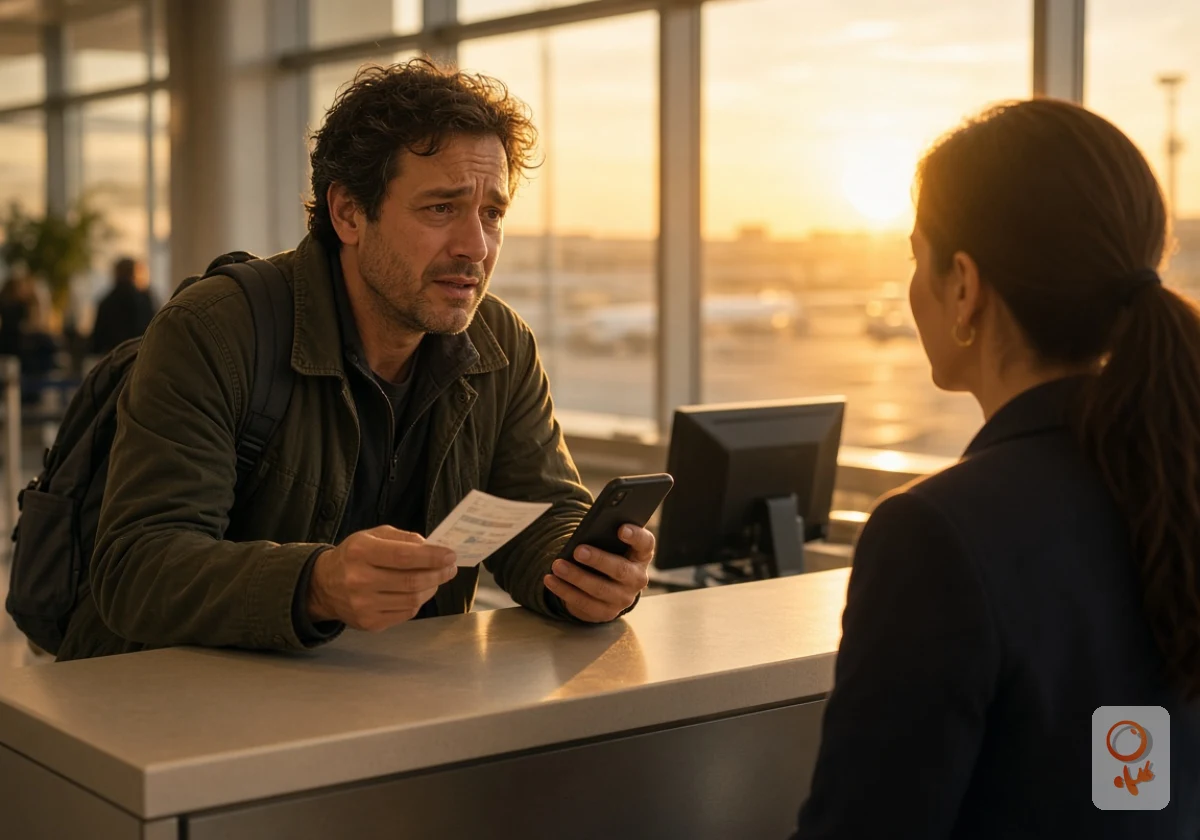
On a single booking, one airline owns the whole journey, so it has to rebook you if the first leg runs late. Separate tickets break that journey into two contracts that know nothing about each other.
That split shows up the moment your first flight lands after your second one has closed boarding. The second airline marks you as a no-show, and some carriers then cancel any return leg on that same ticket. You’re left buying a last-minute fare at the desk, and those rarely come cheap.
We get why people take the gamble. Plenty of Aussies split their fares when booking flights to save money. Pairing a full-service carrier with a budget airline through Singapore looks tempting on a Sydney to Europe run.
Budget carriers have little reason to offer goodwill transfers to passengers arriving late from another airline (they’ve no agreement to honour). A late first leg on that route becomes your problem alone. Before you lock in that second fare, check whether your insurance treats a self-made connection the same way as a through-booked one.
Does Missed Connection Travel Insurance Cover Flights Booked on Separate Tickets?
Many policies do, as long as the delay comes from a cause outside your control and you left a reasonable gap between flights. The CHOICE guide to buying travel insurance, updated in 2026, says to read the product disclosure statement (PDS) first. That way you know what you’ll be covered for.
Below, we’ve explained the four parts of the policy wording that decide a separate ticket claim:
Which Trip Delays Qualify for a Payout
Policies typically pay when a delay or flight cancellation comes from severe weather, a mechanical fault, industrial action or a natural disaster. Those causes sit outside your control, and that’s the test insurers apply.
In contrast, oversleeping, slow security queues or a late taxi to the airport usually won’t count. Insurers see those as risks you could have managed yourself.
Ask the first airline for written confirmation of the delay reason before you leave the gate. That note tells the insurer which category your claim falls into.
What the Insurer Will Pay for
Payouts usually cover a replacement flight to rejoin your trip, plus reasonable meals and accommodation while you wait. Some policies also refund prepaid bookings you can no longer reach, like a tour.
Where claims come unstuck is in how each insurer defines a missed connection. In a 2025 AFCA ruling on a missed connection claim, AIG said its policy paid extra transport costs in only three situations. Those were being stranded, missing a transit connection or returning home early.
This means your situation has to match the listed wording closely. Read those listed situations before you buy, since anything outside them leaves you paying the bill.
Minimum Connection Time Rules Most Policies Apply
Many policies only pay if you allow the buffer between flights that the PDS sets out. The insurer considers the missed connection a result of poor planning if you leave too little time between flights.
On top of that, a separate ticket means collecting bags, clearing customs and checking in again. An airport’s official minimum connection time ignores every one of those extra steps.
Personally, we’d always plan for the slowest version of that transfer. Find the stated buffer in your PDS, then pad it further for any international change. Add even more at busy hubs like Dubai or Singapore.
Exclusions That Affect Separate Ticket Claims
Some insurers exclude connections booked on separate tickets altogether, or cap the payout with a low sub-limit. A sub-limit is the most a policy pays for one type of claim, even when your costs run higher.
Plus, a delay that was already public when you bought cover won’t count, like a strike announced the week before. Insurers classify that as a known event and refuse it.
When we read through policy wording, purchase timing is the exclusion travellers control most directly. Buy your policy the day you book the first ticket, so any later strike or storm falls inside your cover.
Comparing Connecting Flight Delay Cover Across Basic and Top-Tier Policies
Those exclusions and sub-limits look very different depending on the level you buy. Basic plans focus on medical expenses, while top-tier plans add travel disruption benefits.
To decide which level suits a split-ticket trip, use the table below to line up the key differences.
| Feature | Basic policy | Top-tier policy | What it means for you |
|---|---|---|---|
| Missed connection benefit | Often left out | Usually included | Basic cover may leave a split-ticket trip unprotected |
| Separate ticket connections | Rarely mentioned | Sometimes covered with conditions | Search the PDS for “separate ticket” |
| Delay meals and accommodation | Limited or none | Paid after a set wait | Keep receipts from the first hour |
| Sub-limits | Low or not offered | Higher, still capped | Compare the cap with a full-fare replacement flight |
The separate ticket row carries the most weight, because a generous benefit pays nothing if the wording excludes self-made connections. Weigh the extra premium for a top-tier plan against the price of one walk-up fare on your route.
Claiming for a Missed Onward Flight: Proof Insurers Expect and Steps to Follow
Once you’ve got the right cover, the claim itself comes down to evidence. Missed onward flight insurance pays out faster when your paperwork proves the cause, the timing and the cost.
Start the process at the airport rather than at home. Call your insurer’s overseas emergency assistance line before you buy a replacement fare. Some policies only pay for options they approve (save the number in your phone before you fly).
After that, keep every receipt, right down to an airport sandwich. From the claims paperwork we’ve seen travellers sort through, a photo of the departure board also helps. It timestamps the delay in a way receipts can’t. Insurers compare your costs against the original itinerary, so the gap between flights needs to show clearly on both tickets.
Before you lodge your travel insurance claim, gather these documents:
- Delay Letter: Written confirmation from the first airline stating the cause, requested at the gate. The insurer has only your account of the delay unless you provide supporting evidence.
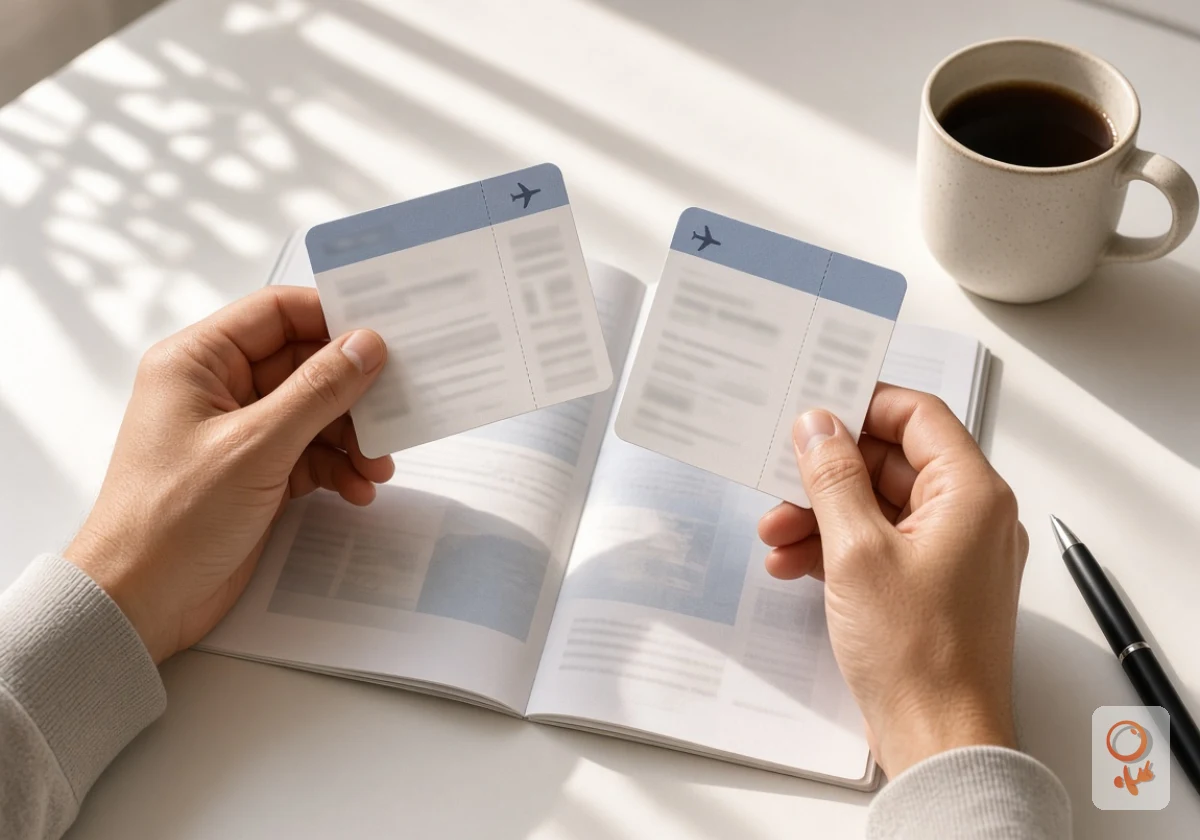
- Both E-Tickets: As proof of the booked connection times, both tickets let the insurer see your buffer. Clear times on each one show you left the gap your PDS requires.
- Boarding Passes: One for every leg you flew, kept until the claim is paid. Each pass confirms you actually travelled on the flights your claim relies on.
- Receipts: Photograph receipts for the replacement flight, meals and accommodation the same day. Faded or lost slips can shrink your payout to whatever you can still prove.
- Assistance Reference: Always note the number from your emergency call, which shows the insurer approved the fare. Insurers check that reference against their records before they pay for a replacement flight.
Lodge everything within the claim window your PDS sets, because a late claim can fail even when the cover applies. Make a note of the deadline as soon as you return home.

Check Your Policy Before You Book the Second Ticket
Separate tickets put the full cost of a missed connection on you, and only the right travel insurance takes that cost back. The deciding details sit in the wording on causes, buffers and separate ticket exclusions.
Read the PDS before you pay for the second fare, while you can still change your flights or your cover. A short read now can save a costly scramble at a foreign check-in desk.
Ready to check your cover before your next trip? Contact us for guidance on which policy suits a split-ticket itinerary.
