Multi-country travel insurance covers all the destinations on your itinerary under one policy, as long as each country falls within your selected region. If you add a destination outside that region, your overseas medical cover may no longer apply there.
That’s why a side trip from Bali to Japan, or a cheap flight from London to New York, needs a quick check first. At Monkey House Music, we want you to know which region your certificate lists before your plans change.
So, in this article you’ll learn how insurers group countries into regions, and where the USA, the Pacific and stopovers fit. We also cover mid-trip policy updates and how insurers treat each type of change. Read on before you book your next leg.
Multi Country Travel Insurance: How Insurers Group Your Destinations Into Regions
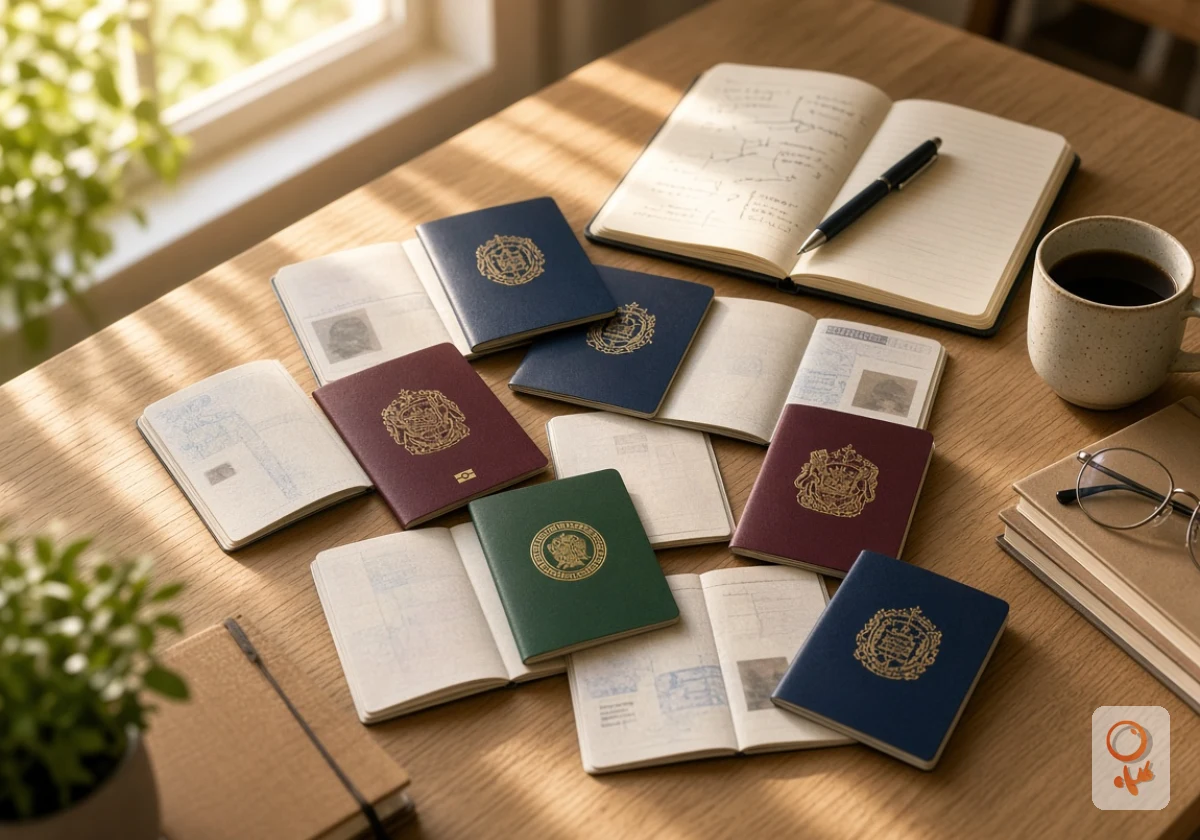
Policies for travel insurance for multiple destinations work in bands of countries, so the region you pick sets both your price and your covered area. The CHOICE travel insurance buying guide puts it simply: “Insurers sometimes apply policies to regions rather than having a policy for each destination.”
To work out which band your trip falls into, the four points below show how insurers draw the lines.
Why Your Policy Is Priced by Region, Not by Country
Insurers group countries into regions because nearby destinations often have similar hospital and evacuation costs. This makes it easier to price policies that cover several countries under one plan. However, the region you choose also affects how much you pay.
Your premium is usually based on the most expensive region on your itinerary. Even a single night in a higher-priced region can increase the cost of your entire policy.
That’s why you should list every country you plan to visit before requesting a travel insurance quote. Remember to include short day trips across borders, as these can affect your cover too.
If you’re still comparing policies, our guide on how to choose travel insurance explains regional cover alongside benefits and excess.
The USA and Canada Usually Sit in Their Own Band
Many insurers place the USA and Canada in their highest-priced region because medical costs in these countries are often higher than elsewhere. Some policies label this option “worldwide including the Americas”, so it’s important to check which destinations your chosen region covers.
Even a short visit to the USA can affect your premium because insurers price the policy based on the most expensive region on your itinerary. For example, a weekend in Hawaii can move your entire trip into a higher pricing band.
Check whether your region names the USA outright before you pay. A travel insurance policy listed as “worldwide excluding the Americas” leaves you without medical cover for any day spent in the US.
Where New Zealand and the Pacific Fit
New Zealand and Pacific islands such as Fiji usually fall into the cheapest overseas insurance region. However, insurers don’t always group destinations the same way. Some include Bali in this region, while others classify it as part of Asia.
This difference can affect the cost of your cover if you plan to visit several countries. For example, combining a ski trip to Queenstown with a beach holiday in Fiji may qualify for the cheaper rate, but only if your insurer groups both destinations together.
That’s why you should check the country list rather than relying on the region name alone. The label “Pacific” can mean different things across policies, so confirm that every destination is included before buying cover.
Do Stopovers and Transit Countries Count?
Yes, stopover destinations must also be included when declaring your travel plans. An expert quoted by SBS in March 2026 confirmed that countries where travellers stop over count as countries of travel for insurance purposes. This means even a short connection in another country can affect which insurance region applies to your trip.
That puts a Los Angeles connection on the same footing as a holiday in California. One layover there can move your trip into the USA band, so add every connection city to your declared countries (your e-ticket or booking email lists every single one).
What Happens to Your Cover When You Change Destinations Mid-Trip?
When that declaration is incomplete, the consequences become apparent. If you travel to a country outside your chosen region, your policy generally will not pay for medical costs, cancellations or luggage claims arising there. The countries inside your region stay covered, so the gap applies only to the new destination.
Unfortunately, that gap quickly becomes expensive, since the bill from an overseas emergency lands on you personally. Insurers can check the hospital address on your medical report against your declared region before they pay anything.
Problems with changing travel destinations and insurance also show up later, when you lodge a claim for a delay or a lost bag. The insurer looks at where each event happened, and an undeclared country gives them grounds to refuse. Watch for these situations, since each one can leave you uncovered:
- Side Trips Outside Your Region: Check the PDS country list before booking an extra destination to confirm it falls within your cover. If it does not, contact your insurer and ask for the cost to upgrade your region before you pay for flights. A $50 premium increase is cheaper than an uncovered hospital bill.
- New Connection Cities: Any stopover added through a separate flight booking should appear in your declared itinerary. Check your e-ticket confirmation for every city listed between departure and arrival, including connections you did not choose yourself. Airlines can reroute you through a new hub at any time, so recheck after any schedule change.
- Longer Stays: Extend your policy before the end date passes, or the extra days will go uncovered. Most insurers let you extend online or by phone while you are still travelling, but some require 48 hours’ notice. Set a reminder for three days before your policy expires so you have time to arrange the change.
- Swapped Destinations: Check the Australian Government’s Smartraveller website for your new destination before changing your route. Countries under a ‘Do Not Travel’ warning are often excluded from standard policies entirely. If the advice level has changed since you booked, your insurer may also need to reassess your existing cover.
- Cruise Ports: Review every port on your cruise itinerary against your policy’s regional country list. Cruise lines publish their port schedules before departure, and any port outside your declared region creates a gap. If the ship adds or changes a port after you board, notify your insurer from the ship and keep the updated itinerary as evidence.
If any of these changes apply to your trip, contact your insurer before travelling. Once you’ve entered an undeclared country or your policy has expired, fixing the gap may be too late.
Updating Your Policy Before and During a Multi-Country Trip
With those gaps in mind, the fix usually takes a phone call or an online change, provided you act before entering the new country. Some insurers let you add countries while you’re already overseas.
Below, we’ve set out five steps for making the change properly.
1. Check the Region List in Your Product Disclosure Statement
Your Product Disclosure Statement (PDS) shows which countries your insurance region covers. However, country lists can change between when you buy cover and when you travel, so make sure you are reading the latest PDS version.
Once you have the current PDS, search for your new destination by country name. This is important because broad labels like “Asia” can include different countries depending on the insurer. If your destination falls outside your selected region, contact your insurer to upgrade your cover before you leave.
2. Contact Your Insurer Before You Cross the Border
Contact your insurer or log in to your account before entering the new country, as your updated cover usually only starts once the insurer approves the change.
Waiting until you’re at the departure gate can be risky (time differences and busy call centres may delay approval). Instead, send your full updated route and travel dates in one request.
3. Pay the Premium Difference and Get It in Writing
A higher insurance region usually means paying the difference between your old and new premiums. Before agreeing to the change, ask your insurer for the exact amount so you know what the upgrade will cost.
After making the payment, request an updated insurance certificate by email. Save it on your phone along with your insurer’s emergency assistance number, so you can access both without internet. This is particularly useful when you’re travelling in areas with unreliable Wi-Fi.
4. Check Whether the New Country Can Be Added
Not every destination can be added, though. Some countries cannot be added to a travel insurance policy, especially those rated “Do Not Travel” by the Australian Government. Examples include Afghanistan, Myanmar, North Korea, Iran and Yemen. Many insurers exclude these destinations entirely, which means a standard policy won’t cover your trip there.
If you’re planning to visit one of these countries, check your PDS to see if specialist cover is available. You may need a separate policy or an alternative destination. Check the exclusions before paying any deposits, so you don’t risk losing money on travel expenses your insurer won’t cover.
5. Add New Activities Along With the New Country
Adding a new country to your itinerary may also mean trying activities such as skiing in Japan or trekking in Peru. However, these activities often come with different risks, and standard travel insurance policies may exclude them. Check your policy wording to see if your planned activities are covered before you travel.
For extra protection during snow sports or adventure activities, ask your insurer to add the relevant cover when updating your travel region. This way, you can arrange protection for both the new destination and your planned activities in one request.
Not Every Destination Change Is Treated the Same by Your Insurer
Insurers sort destination changes by how far they shift your risk, much as they do with activities. Some need nothing from you, while others need a new premium or a different policy.
Use the table below to match your change with the right response.
| Destination change | How insurers usually treat it | What to do |
|---|---|---|
| New country in the same region | Covered, no extra cost | Tell your insurer so your record stays accurate |
| New country in a higher region | Uncovered until you upgrade | Pay the difference before you arrive |
| Country under a “Do Not Travel” warning | Typically excluded | Find specialist cover or change your route |
| Airline reroutes you via a new country | Varies by insurer | Keep the airline’s rerouting notice for any claim |
With multi-country travel insurance, the higher-region row is the one to sort first, since a Europe trip can easily pick up a cheap US or Canada leg. Once that’s handled, the other changes rarely need more than a quick note to your insurer.

Check Your Regions Before You Book the Next Leg
Before booking your next leg, open your PDS and confirm the new country sits inside your region. If it doesn’t, arrange the upgrade before you fly.
Monkey House Music offers practical travel insurance guidance for Australians planning overseas travel with more than one stop. Contact Monkey House Music to check your regions and update your travel cover with confidence.
