A low-cost travel insurance plan can cost you more later because many budget policies leave out the protections you actually need. We’re talking about things like overseas emergency medical cover, trip cancellation, or even snow sports. If something goes wrong on your overseas trip, those gaps can drain your savings quite fast.
But the main issue starts when people assume all travel insurance policies work the same way. While a $30 policy and a $150 policy might look similar at first glance. However, once you read the fine print, you’ll notice major differences in coverage, claim limits, and what situations are actually protected.
That’s why we put together this guide. We’ll show you where budget travel insurance cover falls short, what to look for in a policy, and how to compare travel insurance quotes.
First, we’ll walk you through the risks you might face with cheap travel policies.
Cheap Travel Insurance Risks You Need to Know
Budget travel insurance often skips cover for hospital expenses, cancellation costs, and lost luggage. These gaps can leave you thousands of dollars out of pocket when something goes wrong.

Here’s a closer look at the most common exclusions so you can spot them before you buy.
Limited Medical Cover with Sub-Limits
Most budget policies set low limits on medical expenses. This becomes a problem if you need emergency surgery or a hospital stay abroad, because your insurer may cover only a small part of the bill.
The risk is even higher for medical evacuations, which can cost over $200,000 in some regions. That’s a massive financial hit if your policy only covers a fraction of it.
Pre-existing medical conditions make things even more complicated. Many low-cost insurers won’t provide cover unless you go through a medical assessment first.
And even after completing the assessment, they may still reject your application if your condition is considered high risk or too costly to cover. This leaves many travellers without the protection they assumed they had.
Baggage, Delays, and Cancellations
Basic policies often put low limits on luggage and personal items. For example, your laptop or camera might only be covered up to $250 (even if it costs much more). Some policies also won’t pay for items left unattended in public. This means if your bag is stolen while you grab a coffee, you could lose your belongings and get no compensation.
Unfortunately, cancellation cover follows a similar pattern. Budget insurers usually only reimburse cancellation costs for a short list of approved reasons. So, they may cover medical emergencies, but sudden family issues or work problems often aren’t included.
If your situation doesn’t fit neatly into one of their categories, you likely won’t get anything back.
COVID-19 Is Still a Factor
COVID-19 hasn’t gone away, and neither have the coverage gaps around it. Some budget plans completely exclude claims related to the virus. Others cover medical treatment overseas but won’t help if your trip is disrupted by a positive test.
Coverage rules can change as well, depending on your destination. For instance, a policy that works for Bali might not offer the same protection in Europe. That’s why, always check the product disclosure statement before you buy to make sure you understand what’s included.
“Free” Travel Insurance Isn’t Always Free
Credit card travel insurance sounds like a nice bonus when you sign up. But these policies often come with strict conditions and lower benefit limits than standalone options.
For example, you might need to pay for the entire trip on that specific card just to activate the cover. If you don’t use the card for payment, the insurer can reject your claim altogether.
We’ve noticed plenty of Aussies only realise this problem when they try to lodge a claim after something goes wrong. And at that point, their claim is often denied.
You can avoid this by choosing a standalone travel insurance policy. It’ll give you broader protection with fewer unexpected conditions. Plus, it tends to offer higher benefit limits and simpler terms, which makes the claims process much smoother.
How to Choose A Travel Insurance Policy That Protects You
A good travel insurance policy covers the risks you’re most likely to encounter. This means adequate emergency medical limits, solid cancellation cover, and protection for the activities you plan to do.

Below, we’ll share some practical tips to help you find the right fit without spending more than you need to.
Avoiding False Savings
The lowest travel insurance premium might look like a bargain at first. But if the policy doesn’t cover medical emergencies, trip cancellations, or lost luggage, it won’t save you money. You’re just pushing the cost down the road until something goes wrong.
That’s why you should think about the risks that actually apply to your trip. For example, if you’re heading to Niseko for ski season, a policy without snow sports cover won’t help when you injure yourself on the slopes. Matching your cover to your travel plans this way almost always works out better than chasing the lowest price.
How to Compare Travel Insurance Quotes in Australia
The easiest way to compare travel insurance quotes in Australia is to use a trusted comparison tool, like Finder, Canstar, or iSelect. These tools let you enter a few details about your trip and see multiple options side by side. You can filter by cover type, price, and insurer ratings, which saves you hours of searching through websites on your own.
That said, don’t just stop at the comparison results. Always download and read the product disclosure statement before you buy anything. The PDS will tell you exactly what’s covered, what’s excluded, and any sub-limits that apply.
Yes, we know it’s dry reading, but it’s the only way you can know what you’re actually getting for your money.
Must-Have Protections to Look For
We recommend starting with emergency medical cover. This should protect you from hospital expenses, medical treatment, and evacuation if needed. And since healthcare can be very expensive in some countries, like the United States, it’s better to choose a policy with high benefit limits.
Then, check the cancellation cover. Make sure it protects you against a wide range of situations, like illness, family emergencies, or work-related issues. Don’t forget to add snow sports or adventure cover as well if your trip includes skiing, snowboarding, or other high-risk activities like mountain biking or rock climbing.
Rental vehicle excess protection is another smart add-on if you plan to hire a car while you’re away. These optional extras will cost a bit more upfront, but they can save you a fortune if something goes wrong.
Get A Reliable Cover for Better Travel Protection Abroad
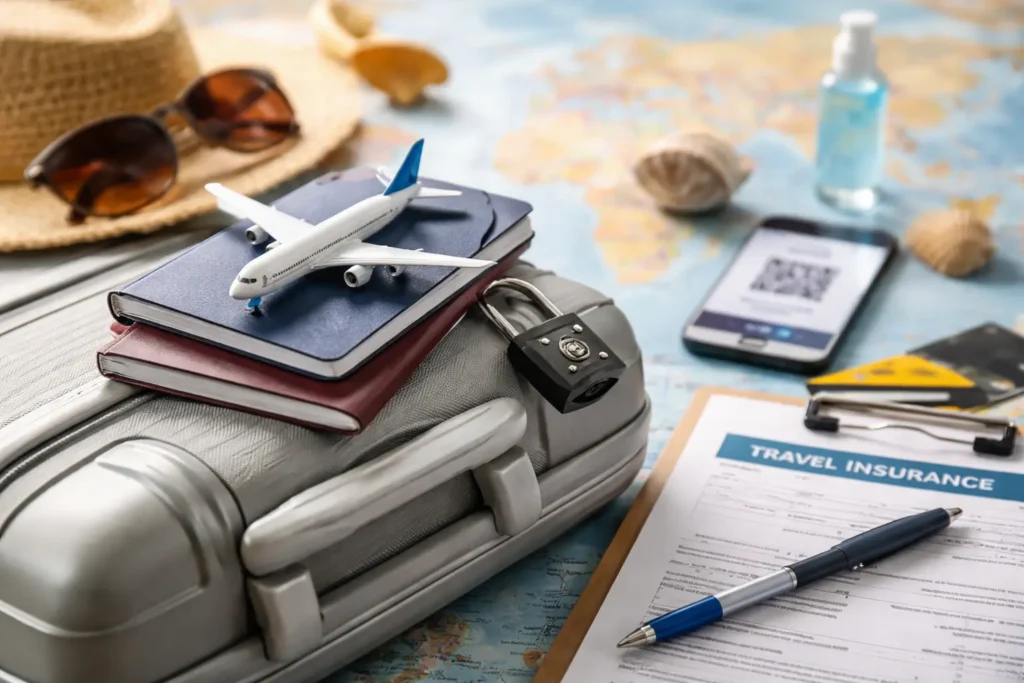
So, has this guide changed how you think about travel insurance? We hope it’s given you a better picture of what to look for.
Remember, when you buy a solid travel insurance policy, you’re also giving yourself a safety net for the things you can’t predict. Medical emergencies, natural disasters, and sudden trip cancellations can all throw your plans off course. But the right cover will help you handle those moments without draining your savings.
And that means, you won’t have to stress about missed flights, lost bags, or unexpected hospital expenses and just focus on enjoying your trip.
Before you head off on your next adventure, read the product disclosure statement carefully. Then, pick a comprehensive travel insurance policy that suits your travel plans, your age, and your health.
And if you’re not sure where to start, visit Monkey House Music for other useful guides to plan your next trip.
